November 25, 2026
Fresh indoor air plays a vital role in keeping any commercial building comfortable and productive. Employees and visiting customers spend hours inside offices and retail spaces every week. When airborne dust and stale air circulate through your building, staff members often experience fatigue, allergy flare-ups, and discomfort. Building a few straightforward habits around your heating and cooling equipment keeps your workplace air noticeably fresher while protecting your system from unnecessary wear.
Maintaining healthy air quality in a commercial space does not require complicated overhauls. Simple routines like changing air filters on time and keeping supply vents clear make a dramatic difference. Partnering with experienced HVAC companies also gives facility managers practical guidance to keep commercial equipment running smoothly throughout every season.
Maintaining Clean Air Filters on a Consistent Schedule
Choosing Appropriate Filtration for Commercial Spaces
Air filters serve as your building's primary defense against airborne dust and outdoor pollen entering through the ventilation system. Commercial heating and cooling units rely on properly fitted filters to capture contaminants before air circulates through offices and customer areas. Standard fiberglass filters catch larger debris, while pleated filters trap finer particles without choking off system airflow.
Matching the right filter rating to your specific commercial equipment ensures strong air cleaning without forcing blower motors to work overtime. Knowledgeable HVAC companies can evaluate your rooftop units or indoor air handlers to recommend filter grades that balance clean airflow with reliable system performance.
Following a Regular Filter Replacement Routine
Even high-grade filters lose their effectiveness once dust and debris pack tightly across the surface. According to This Old House, swapping out air filters every one to three months helps keep indoor air clean. Busy commercial buildings with heavy foot traffic, open loading doors, or high occupancy may require even more frequent filter checks.
Checking filters monthly and replacing them on a predictable calendar prevents dust buildup from recirculating into workspaces. Clean filters allow air to move freely across heating and cooling coils, keeping temperatures even from the front lobby to back offices while reducing strain on expensive mechanical components.
Spotting Warning Signs of Clogged Filters
Waiting until an air handler breaks down costs far more than keeping spare filters on hand. Facility staff can spot overdue filters early by watching for gray dust buildup on supply grilles or unexpected spikes in monthly utility bills. Uneven cooling across different zones of your building also points toward restricted airflow.
Addressing dirty filters right away restores crisp air circulation and stops dust from settling onto internal blower blades. Keeping a simple maintenance log helps property managers track replacement dates across multiple commercial units effortlessly. Assigning a dedicated staff member to inspect filter racks during routine building walkthroughs ensures no rooftop or mechanical room unit gets overlooked.
Supporting Healthy Airflow and Ventilation Across Workspaces
Keeping Supply Vents and Return Grilles Unobstructed
Proper air circulation depends on clear pathways between your ductwork and each room in the building. In busy offices and retail spaces, filing cabinets and storage boxes frequently get pushed directly in front of return grilles or beneath floor vents. Blocking these openings disrupts air balance and traps stale air in corners of the workplace.
Walking through your facility periodically to verify that vents remain open and free of dust allows conditioned air to circulate evenly. Wiping down metal grilles during routine janitorial cleaning also prevents accumulated lint from blowing back into occupied rooms. Making sure damper louvers open fully in conference rooms and open work areas keeps fresh air reaching every corner of the floor plan.
Operating Exhaust Fans in Restrooms and Break Areas
Commercial restrooms and break areas generate concentrated moisture and lingering odors throughout the workday. Running exhaust fans consistently in these areas pulls humid air and airborne particles directly outdoors before they spread into main hallways or workspaces.
Keeping exhaust fan covers clean and verifying that dampers open smoothly ensures proper airflow whenever lights or switches turn on. Controlling excess moisture at the source prevents musty odors and discourages mold growth behind walls and ceiling tiles. Proper ventilation in high-humidity zones also keeps adjacent offices feeling crisp and comfortable for employees throughout busy workdays.
Managing Indoor Humidity Levels for Workplace Comfort
Balanced indoor humidity keeps employees comfortable while protecting office furniture and sensitive electronics. When indoor air becomes overly humid during muggy summer months, workspaces feel clammy, and mold spores multiply quickly. Conversely, overly dry air during winter heating season causes static electricity and dry throats for staff members.
Commercial heating and cooling systems equipped with proper humidity controls help maintain steady comfort levels year-round. Experienced HVAC companies check drain lines, condensate pans, and coil performance during routine visits to ensure your equipment removes excess summer moisture effectively. Clearing clogged condensate drains promptly also prevents water leaks from damaging ceiling tiles or encouraging musty odors.
Scheduling Routine Maintenance With Commercial Professionals
Inspecting and Sealing Commercial Ductwork
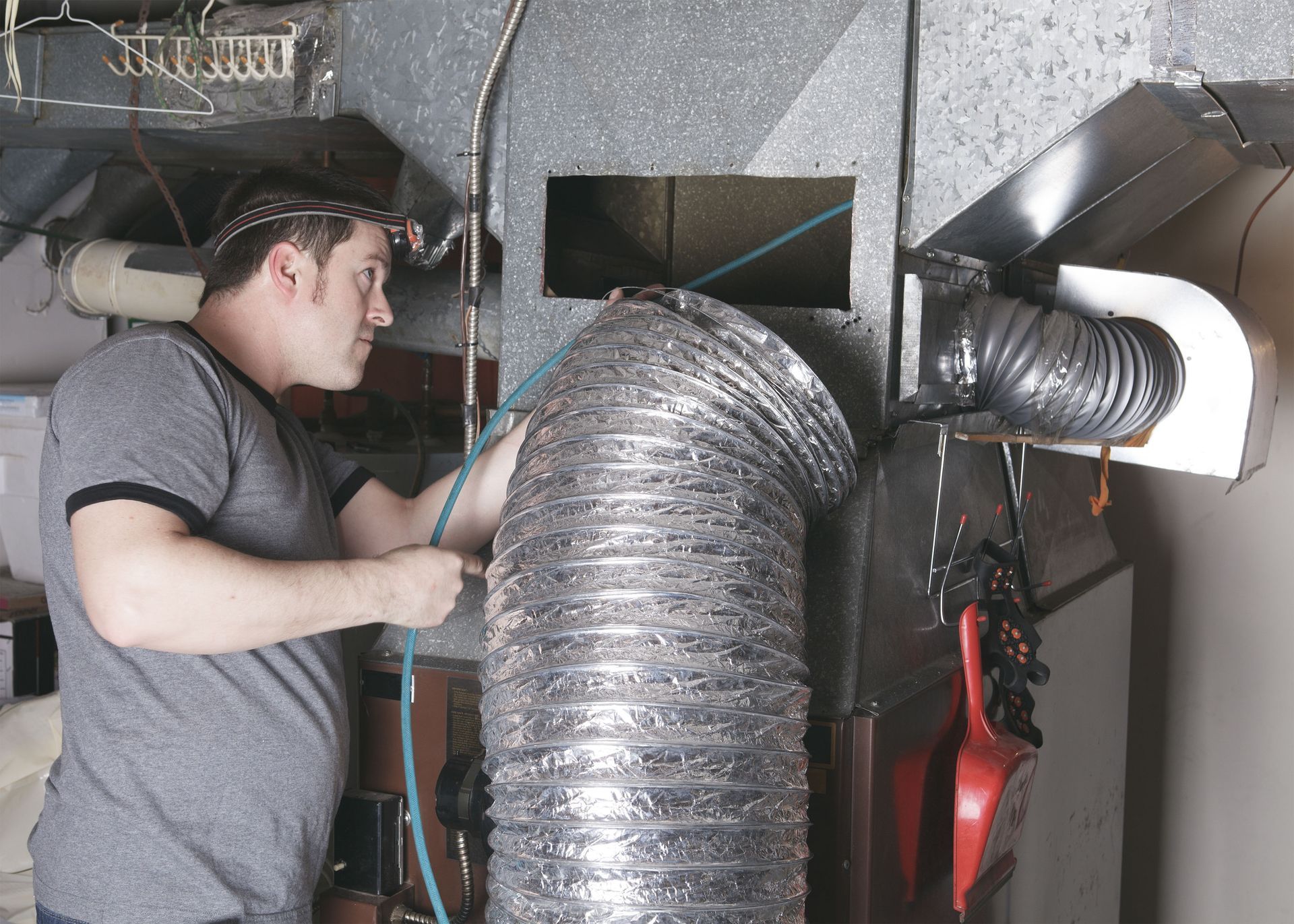
Hidden ductwork above drop ceilings and inside mechanical rooms carries conditioned air throughout your entire facility. Over time, vibration and temperature shifts can loosen duct joints or tear flexible connections, allowing dusty attic or plenum air to enter the airstream.
Leaky ducts also force your equipment to run longer to maintain target temperatures, driving up monthly operating expenses. Having reputable HVAC companies inspect accessible ductwork and seal air leaks keeps clean, conditioned air flowing straight to your workspaces without wasting energy. Properly sealed supply trunks also help maintain balanced air pressure across multi-room commercial suites.
Cleaning Coils and Internal System Components
Dust and airborne grime naturally settle onto evaporator coils and blower assemblies over months of continuous operation. Dirty coils struggle to transfer heat efficiently and can harbor moisture that creates unpleasant smells whenever the fan kicks on.
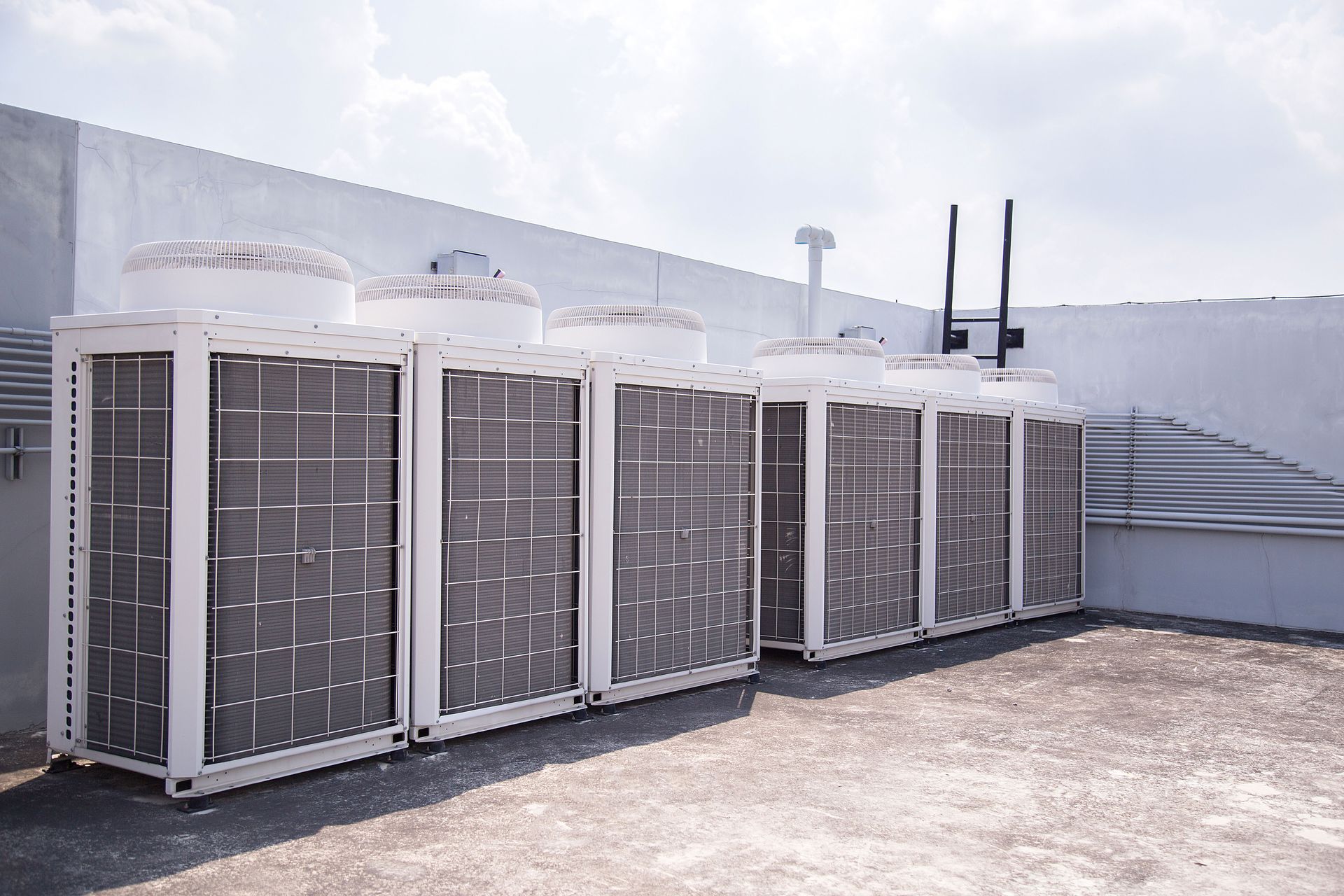
During scheduled spring and fall tune-ups, technicians clean internal components thoroughly and clear away debris around outdoor units. Keeping coils and drain pans spotless improves air freshness across the building while extending the working life of your commercial equipment. Clean mechanical surfaces also help your system reach target temperatures faster during busy morning business hours.
Preparing Equipment Ahead of Peak Weather Seasons
Extreme summer heat and freezing winter weather put heavy demands on commercial heating and cooling systems. Waiting until the initial heatwave or cold snap to test your equipment often leads to uncomfortable downtime for employees and customers alike.
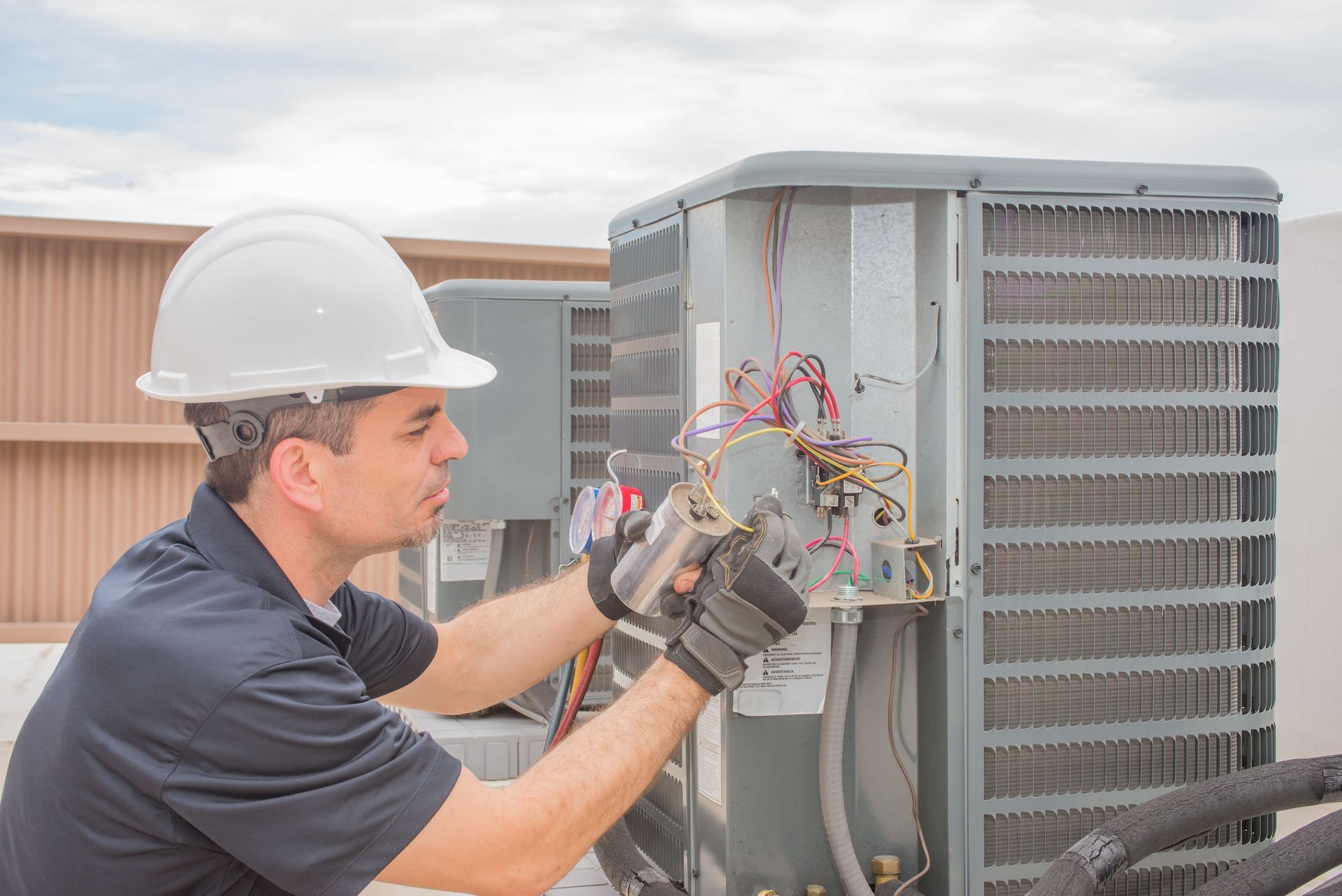
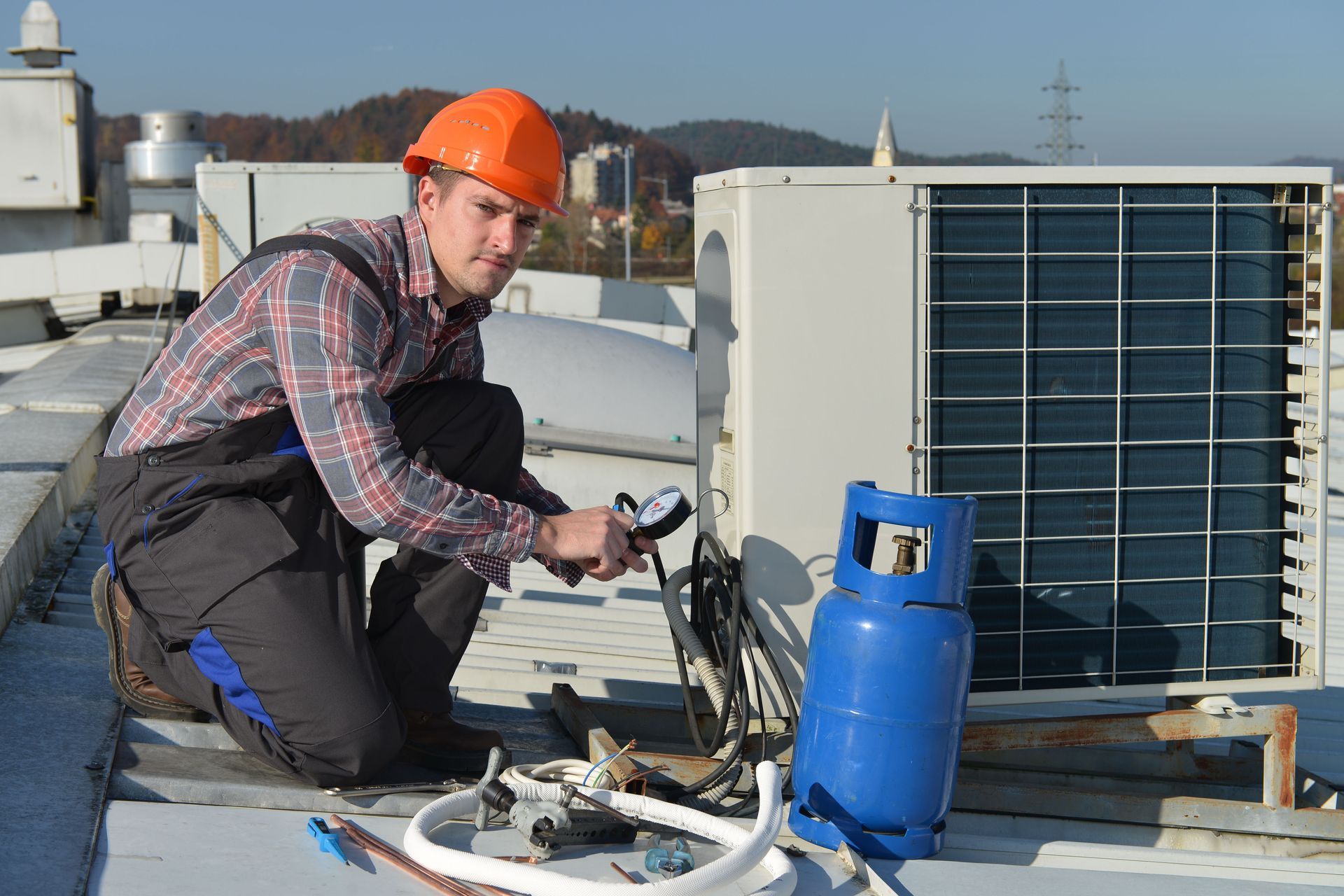
Scheduling preventive maintenance with reliable HVAC companies in spring and autumn catches worn belts and loose electrical connections before they cause sudden breakdowns. Proactive seasonal care keeps your indoor climate dependable and avoids costly emergency disruptions during peak business hours. Establishing a recurring maintenance agreement also gives property managers predictable service schedules throughout the entire year.
Maintaining clean air in a commercial building comes down to consistent everyday habits paired with professional mechanical care. From replacing air filters regularly and keeping vents clear to sealing ductwork and scheduling seasonal tune-ups, each step supports healthier workspaces and lower operating costs. Working alongside experienced HVAC companies ensures your heating and cooling equipment stays tailored to the exact demands of your facility.
Serving commercial properties across the MetroWest Boston area, Northeast Air Control delivers responsive commercial HVAC maintenance alongside repair and installation services. Our EPA-certified technicians bring extensive local experience and round-the-clock emergency support to keep your business running comfortably in every season. When you are ready to improve your building's indoor air quality and system reliability, contact us to schedule your service.