May 21, 2026
Maintaining a comfortable indoor environment relies heavily on a functional heating and cooling system that operates consistently throughout the seasons. Homeowners often overlook the intricate mechanics of their climate control units until a significant breakdown occurs during a heatwave or a freeze. Establishing a foundation of knowledge regarding system health helps prevent these emergencies while ensuring that energy costs remain manageable. By focusing on reliability and efficiency, you can extend the lifespan of your investment and enjoy peace of mind knowing your home remains a sanctuary.
Prioritizing Routine Seasonal Inspections
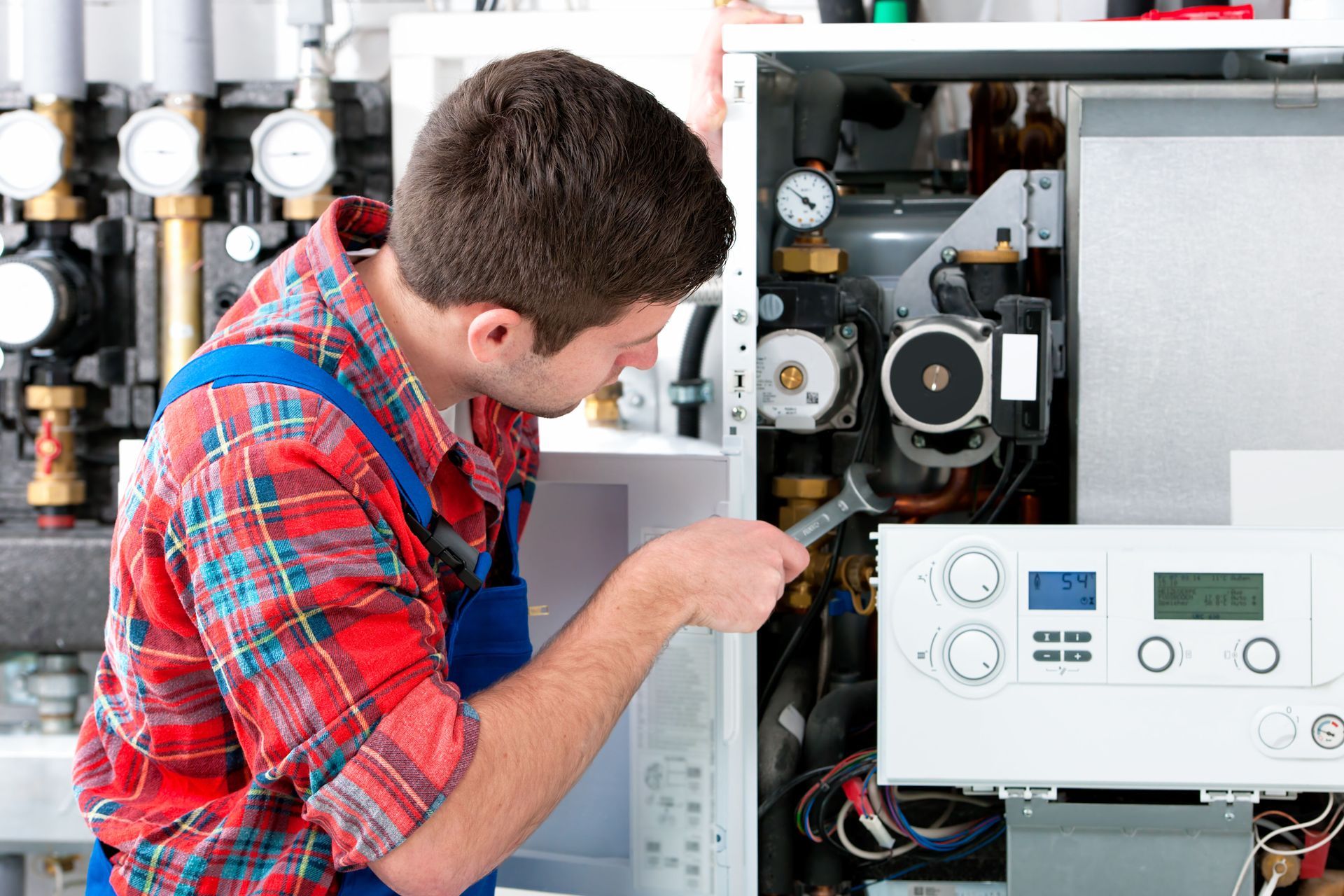
Scheduling regular checkups with a professional is the most effective way to ensure your unit stays in top condition. These visits allow a technician to examine electrical connections, lubricate moving parts, and verify that the thermostat is calibrated correctly. Small adjustments made during a routine visit prevent minor issues from escalating into major mechanical failures. This proactive approach saves money over time by avoiding the high costs associated with emergency service calls and extensive parts replacements.
Consistent maintenance also serves as a diagnostic tool for tracking the overall health of your equipment. A technician can identify wear and tear on components like belts and motors before they snap or seize up entirely. When you stay ahead of these physical demands, the machine operates with less internal friction and stress. This strategy is essential for anyone seeking long term HVAC repair solutions that emphasize prevention over reaction.
Maximizing Airflow Through Filter Care
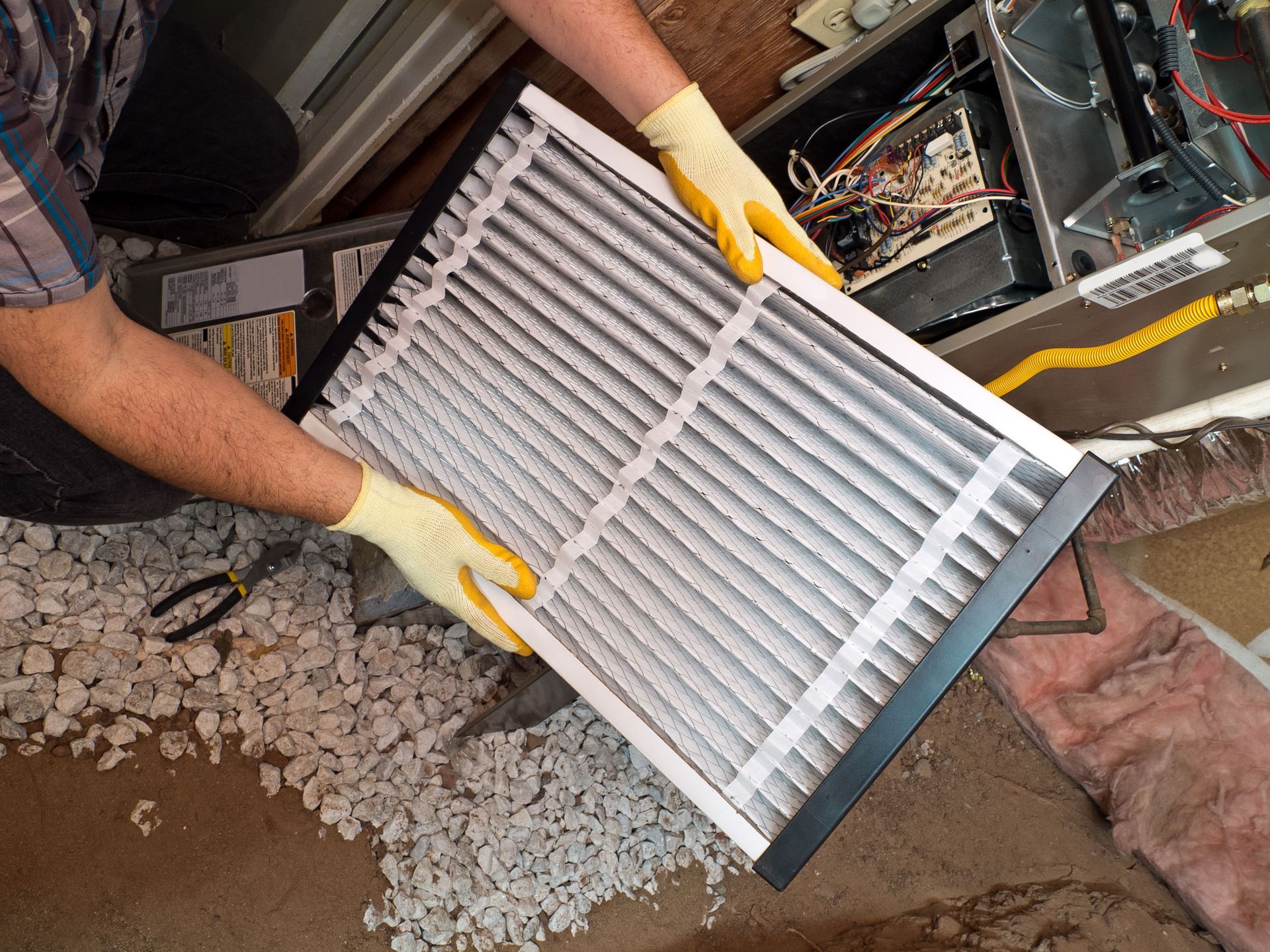
Air filters act as the primary defense against dust and debris that can clog the sensitive internal components of your system. When a filter becomes saturated with particulates, the blower motor must work significantly harder to pull air through the restricted material. This increased workload leads to overheating and premature component failure which often necessitates professional intervention. Swapping out filters every few months keeps the air moving freely and protects the evaporator coil from becoming insulated by layers of grime.
Improved airflow does more than just protect the machinery; it also enhances the quality of the air circulating through your living spaces. Clean filters trap allergens and pollutants that would otherwise settle in your ductwork or on your furniture. By maintaining a strict schedule for filter replacement, you reduce the strain on the entire setup and ensure that every room receives the proper amount of conditioned air. This simple habit is a cornerstone of maintaining a system that does not require constant HVAC repair.
Monitoring Thermostat Accuracy and Settings
The thermostat serves as the brain of your climate control system, dictating when it starts and how long it runs. If this device provides inaccurate readings, the unit may cycle too frequently or fail to reach the desired temperature altogether. Modern programmable or smart devices offer better precision and allow you to set schedules that align with your daily routine. Ensuring that the sensors are clean and away from direct sunlight or drafts will help the system respond appropriately to the actual conditions in your home.
Upgrading to a digital interface can also provide insights into how often your equipment is running. Sudden spikes in runtime without a change in outdoor temperature often indicate an underlying mechanical struggle. Addressing these discrepancies early can prevent the total loss of heating or cooling capacity. If you notice that your home feels uncomfortable despite the settings on the wall, it may be time to investigate the need for professional HVAC repair to restore proper communication between the controls and the hardware.
Cleaning External Condenser Units Regularly
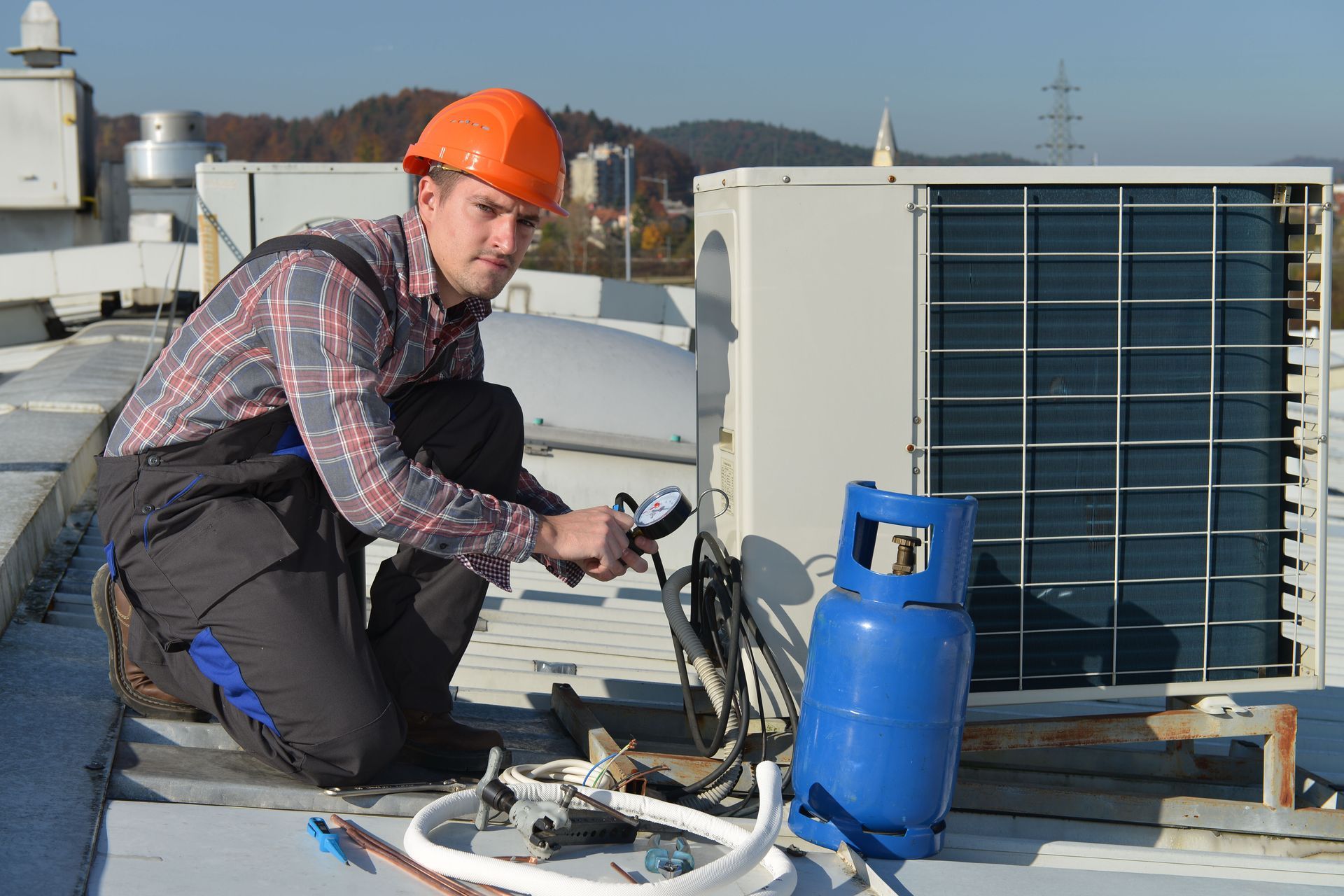
The outdoor portion of your air conditioner or heat pump is exposed to the elements and requires physical space to dissipate heat effectively. Leaves, grass clippings, and dirt can accumulate around the base and inside the fins of the condenser, creating a thermal blanket that traps heat. This buildup forces the compressor to operate at higher pressures and temperatures than it was designed to handle. Gently cleaning the exterior with a garden hose and removing nearby vegetation ensures that the unit can breathe and transfer heat efficiently.
Protecting the outdoor unit also involves checking for physical damage caused by storms or pests. Small animals sometimes seek shelter inside the cabinets, where they can chew through wiring or damage insulation. Regularly inspecting the perimeter of the unit allows you to spot these issues before they lead to a complete system shutdown. Keeping the area clear and clean is a fundamental step in avoiding the complications that lead to frequent HVAC repair requirements.
Investigating Ductwork Integrity and Sealing
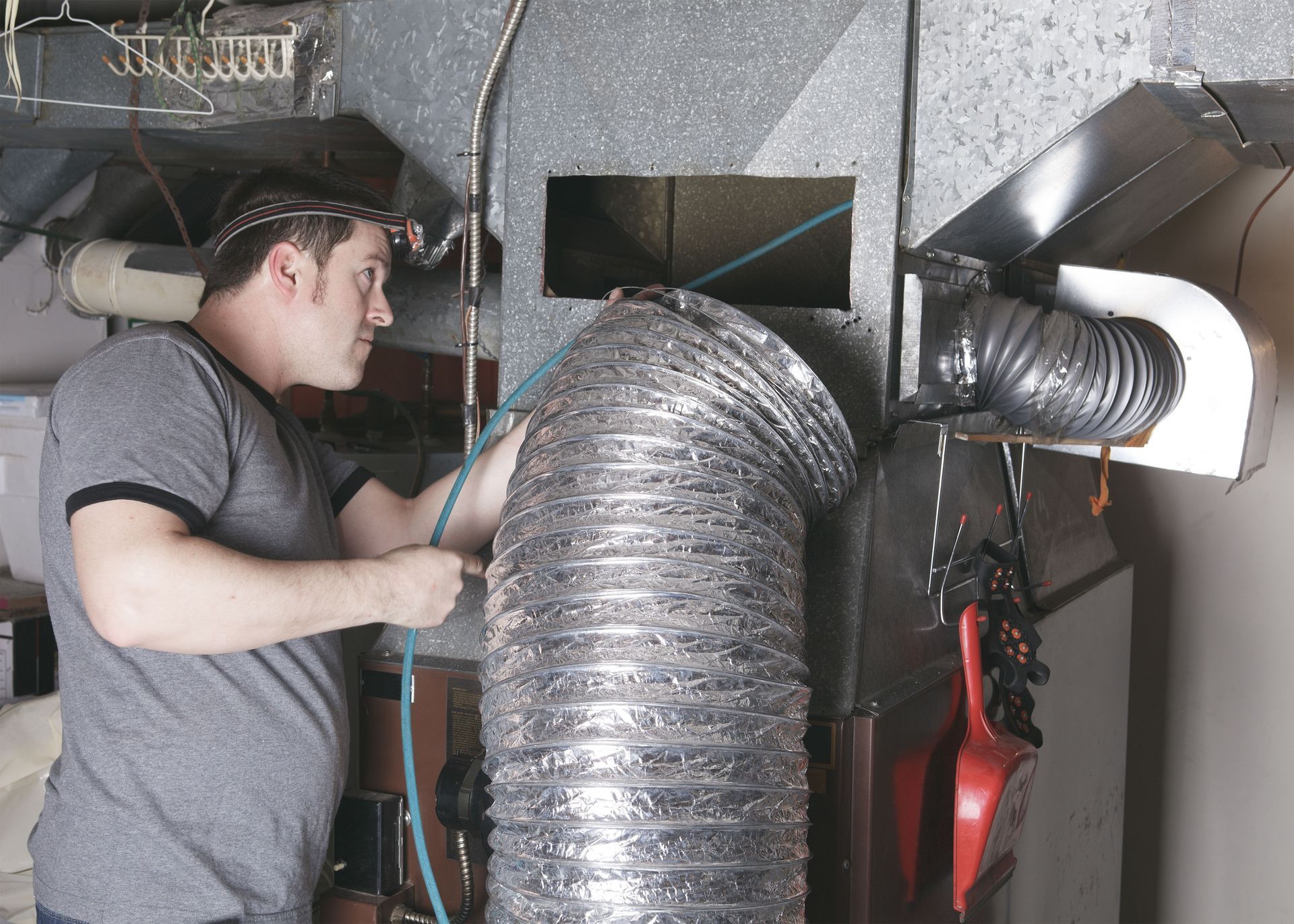
Leaky ducts are a silent drain on your comfort and your wallet because they allow conditioned air to escape into attics or crawlspaces. When air escapes through gaps or disconnected joints, the system must run longer to compensate for the lost volume. This constant operation puts unnecessary mileage on the blower and the heat exchanger. Sealing these leaks with specialized mastic or metal tape ensures that the air you pay to heat or cool actually reaches its intended destination.
Beyond air loss, unsealed ducts can pull in unconditioned air and dust from unfinished areas of the structure. This contamination pollutes the indoor environment and adds to the debris load on your internal components. Evaluating the layout and condition of your distribution system can reveal why certain rooms feel warmer or cooler than others. Fixing these structural issues is just as important as mechanical HVAC repair when it comes to achieving a balanced and efficient home environment.
Verifying Proper Installation Standards
The foundation of a reliable system is laid during the initial setup process by a qualified technician. Every component must be sized correctly for the specific square footage and insulation values of the building. If a unit is too large, it will cycle on and off too quickly, which prevents proper dehumidification and wears out the starter components. Conversely, a unit that is too small will run continuously without ever reaching the set point, leading to high utility bills and mechanical exhaustion.
Quality workmanship during the setup phase dictates the performance of the equipment for its entire lifespan. According to Energy Star, improper installation of HVAC equipment can reduce efficiency by up to 30%. This significant loss of performance highlights why homeowners should prioritize expert service from the very beginning. Ensuring that the refrigerant charge is exact and the airflow is balanced from day one reduces the likelihood of needing premature HVAC repair or early system replacement.
Recognizing Signs of Mechanical Fatigue
Being observant of how your system sounds and smells can provide early warnings of impending trouble. Grinding, squealing, or banging noises often indicate that a bearing is failing or a part has come loose within the housing. Similarly, musty odors or burning smells suggest that moisture is trapped or electrical components are overheating. Ignoring these sensory cues usually leads to a more expensive and complicated fix down the road.
Early detection of these symptoms allows you to schedule a service visit at a convenient time rather than waiting for a total failure. A technician can often swap out a single failing part to restore the system to its full capacity. Maintaining a high level of awareness regarding the normal operating sounds of your machinery is an excellent way to manage your HVAC repair needs effectively. This vigilance ensures that your home remains comfortable and your equipment stays protected from catastrophic damage.
Reliability in a climate control system is the result of consistent care and professional expertise. By attending to filters, monitoring airflow, and ensuring that your installation meets high standards, you create an environment where your machinery can thrive. Taking these steps not only preserves your comfort but also protects your financial investment in your home. When you notice signs of struggle or simply want to ensure your equipment is ready for the upcoming season, reaching out for professional assistance is the best course of action. For expert help with your maintenance or HVAC repair needs, contact Northeast Air Control.